By Soomin Kim
Living in Austin, TX, is different from visiting it. The city's reputation for live music, great food, and outdoor culture is well-earned, but what daily life actually looks like depends a lot on where you live and what you value. Having relocated here and built my life in this market, I can tell you that no two mornings look the same — and that's exactly what makes Austin worth choosing.
Key Takeaways
- Austin's outdoor infrastructure makes it easy to start and end the day outside regardless of the season
- The city's food and music culture is woven into daily routines, not just weekend plans
- Neighborhood choice has a significant impact on commute time and daily pace of life
- Austin offers a range of lifestyle options, from dense urban living downtown to quieter suburban communities
Mornings in Austin
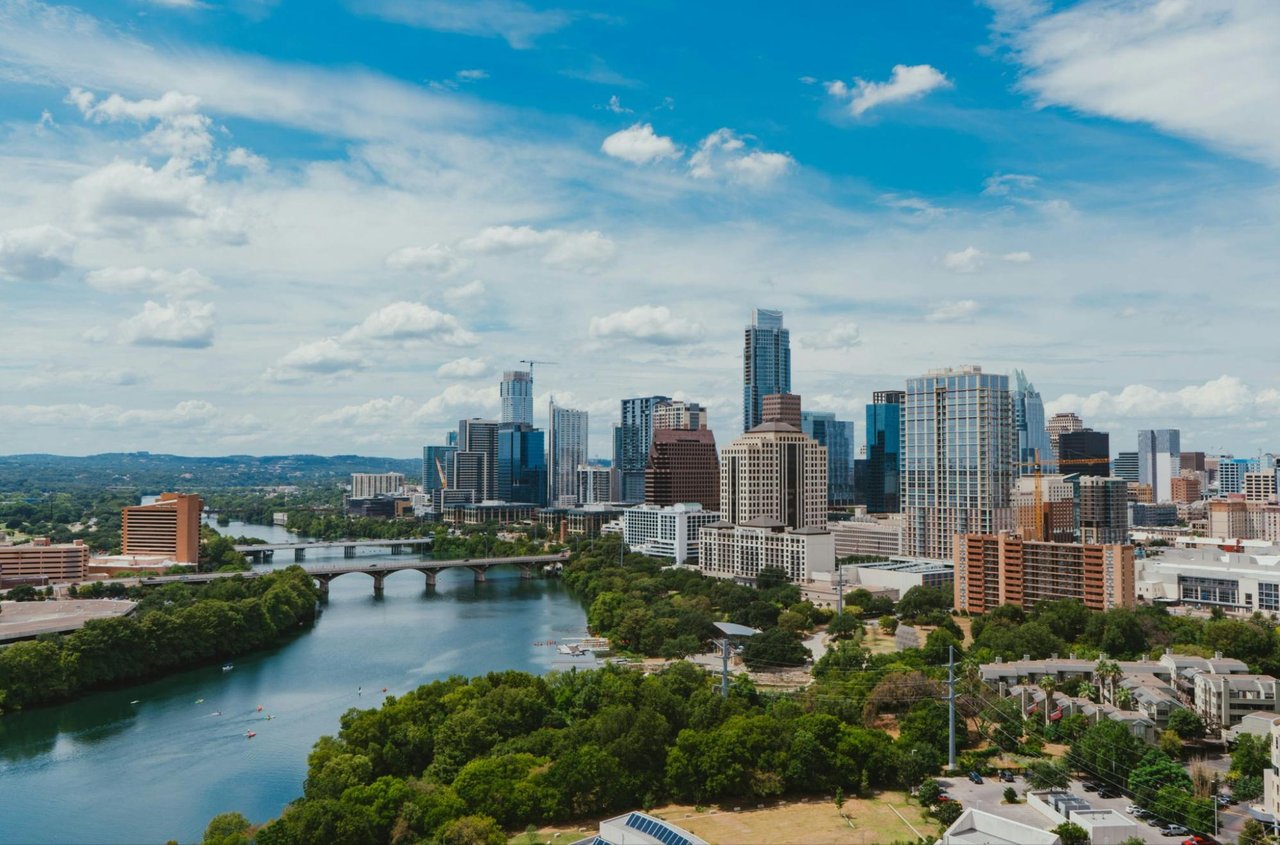
Austin mornings tend to start outside. The Ann and Roy Butler Hike-and-Bike Trail is a 10-mile loop around Lady Bird Lake and one of the most-used trails in the city — you'll find runners, cyclists, and paddleboarders on the water before 8 a.m. on any given weekday. Barton Springs Pool, a spring-fed natural pool in Zilker Park that maintains a year-round temperature of around 68 to 70 degrees, draws early swimmers even in summer when the air is already climbing toward 90.
Coffee culture in Austin is well developed. South Congress, South Lamar, and East Austin each have local roasters and neighborhood cafes that function as genuine morning gathering spots. The pace is unhurried in a way that's hard to find in larger metros.
What a Typical Austin Morning Might Include
- A run or bike ride on the Ann and Roy Butler Hike-and-Bike Trail along Lady Bird Lake
- An early swim at Barton Springs Pool before the crowds arrive
- Coffee at a local cafe in South Congress, East Austin, or the Domain area
- A paddle on Lady Bird Lake, where kayak and SUP rentals are available near Zilker Park
The Work and Commute Reality
Austin is a major employment hub, home to large tech campuses for companies including Apple, Tesla, and Google, along with a growing healthcare sector and a robust local business community. The tradeoff for that economic strength is traffic. Living "20 minutes from downtown" can mean something very different depending on the time of day and which direction you're traveling.
Neighborhood choice matters more in Austin, TX, than in many comparable cities. Residents in Westlake, Tarrytown, and South Congress can access downtown quickly. Those in Leander, Round Rock, and Pflugerville face longer commutes but gain significantly more space and a lower cost of entry. Many Austin professionals now work hybrid schedules, which has changed how buyers weigh proximity to the urban core against space and neighborhood character.
Neighborhoods and Their Commute Profiles
- Downtown and South Congress — walkable to central Austin, minimal commute, higher price points
- Westlake Hills and Tarrytown — 10 to 20 minutes to downtown, established luxury, strong long-term value
- Steiner Ranch — roughly 30 minutes to central Austin, master-planned community with lake access
- Leander and Round Rock — 30 to 45 minutes depending on traffic, more space and lower price per square foot
Evenings and Weekends
Austin's evening culture is built around food, music, and the outdoors — and unlike many cities, that culture extends well beyond a single entertainment district. South Congress and South Lamar offer walkable stretches of restaurants and bars. East Austin has become one of the city's most creatively active corridors, with independent restaurants, live music venues, and local retail operating side by side.
Live music is genuinely part of the fabric here. Austin is widely known as the Live Music Capital of the World, and the density of venues — from the Red River Cultural District to Stubb's Amphitheater to small clubs on East 6th Street — means there's almost always something on any night of the week. The Austin City Limits Music Festival, held each fall in Zilker Park, draws some of the largest crowds in the country.
How Austin Residents Spend Their Evenings
- Dinner and live music along South Congress, East 6th Street, or the Red River Cultural District
- Sunset bat watching at the Congress Avenue Bridge, where the largest urban bat colony in North America emerges each evening from spring through fall
- Outdoor dining and waterfront views along Lake Austin or at spots near Lady Bird Lake
- Weekend mornings at one of Austin's farmers markets, including the SFC Farmers' Market Downtown
FAQs
What Is the Cost of Living Like in Austin, TX?
Austin's cost of living has risen substantially over the past several years. Texas has no state income tax, which helps offset costs, but housing prices and property taxes are significant factors for buyers at every price point.
What Is the Weather Like Day to Day in Austin?
Austin summers are hot, with temperatures regularly exceeding 100°F in July and August. Spring and fall are genuinely pleasant — mild temperatures, wildflowers along the roadsides, and long evenings that invite outdoor dining. Winters are short and mostly mild, with occasional cold snaps but little sustained freezing weather.
Is Austin Still Growing?
Yes. Austin in 2026 is a full-scale major metro, not the smaller quirky city it was a decade ago. Population growth, new development, and continued corporate relocations are reshaping neighborhoods and driving demand for housing across the Austin area and surrounding communities.
Contact Soomin Kim Today
There's no substitute for actually living in a city, and I moved my family to Austin from Southern California because I believed in what this place offers. I've spent years getting to know every corner of this market — from the lakefront communities of West Austin to the growing suburbs to the north — and I bring that experience to every buyer and seller I work with.