By Soomin Kim
One of the things that strikes people when they first explore Austin's neighborhoods is how varied the housing stock is. Unlike cities built in a single era, Austin grew in waves — and each wave left its own architectural fingerprint. Understanding those styles isn't just interesting context. For buyers, it helps calibrate expectations, understand maintenance demands, and recognize value. For sellers, it provides the language to communicate what makes a property distinctive. Here's a look at the architectural styles that define Austin, TX.
Key Takeaways
- Austin's architectural diversity reflects the city's distinct growth phases, from early Texas vernacular homes to contemporary infill development.
- Mid-century modern homes are among the most sought-after in the city, particularly in established central neighborhoods.
- The "Austin modern" new construction style has become the defining visual identity of the city's development boom.
- Understanding a home's architectural style helps buyers evaluate both its character and its long-term maintenance profile.
Texas Vernacular and Craftsman Bungalows
The oldest residential fabric in Austin — found primarily in neighborhoods like Hyde Park, Clarksville, and Old West Austin — is defined by Texas vernacular cottages and Craftsman bungalows built between roughly 1900 and 1940. These homes reflect both regional building traditions and the national influence of the Arts and Crafts movement.
Characteristics of Austin's Oldest Residential Architecture
- Wood frame construction with wide front porches designed to manage Central Texas heat before mechanical cooling
- Craftsman details including tapered columns, exposed rafter tails, built-in cabinetry, and decorative woodwork that reflect handcraft over mass production
- Modest footprints — typically 1,000 to 1,800 square feet — on lots that are often larger than the home's size suggests, which contributes to their appeal for renovation and expansion
- Original hardwood floors, transomed windows, and period hardware that buyers consistently value when preserved in good condition
These homes require attentive maintenance, but they carry a character and neighborhood context that newer construction cannot replicate.
Mid-Century Modern
Austin has a significant concentration of mid-century modern homes, built primarily between 1945 and 1975 in neighborhoods like Rosedale, Allandale, Crestview, and along the hills west of MoPac. Many were designed by architects influenced by the Case Study House program and the broader postwar optimism about modern living.
What Defines Mid-Century Modern Architecture in Austin
- Clean horizontal lines, flat or low-pitched rooflines, and an emphasis on bringing the outdoors in through large windows and glass walls
- Open floor plans that were genuinely radical when built — the absence of formal rooms in favor of flowing living spaces remains a key draw for contemporary buyers
- Integration with the natural topography, particularly on the hill country lots west of the city where many mid-century homes were built to follow rather than fight the terrain
- Materials such as terrazzo floors, tongue-and-groove ceilings, and exposed brick that are both period-authentic and highly desirable in today's market
Well-preserved mid-century modern homes in Austin's central neighborhoods regularly command significant premiums, and thoughtful renovations that honor the original architecture while updating systems tend to perform strongly at resale.
Ranch Style
Ranch-style homes are among the most prevalent in Austin's post-war suburban fabric, found across neighborhoods developed from the 1950s through the 1980s in areas like North Loop, Rundberg, and across many of the older suburbs in Round Rock and Pflugerville.
Defining Features of Austin's Ranch Homes
- Single-story layouts with long, low profiles and attached garages that defined suburban living for a generation of American homebuyers
- Brick veneer exteriors — common in Central Texas due to the region's clay soils and brick manufacturing history — that age well and require relatively low maintenance
- Practical floor plans with separate living and sleeping wings, often centered around a kitchen that connects to both the family room and the backyard
- Generous lot sizes relative to the home's footprint, which has made many ranch homes targets for either renovation and expansion or teardown and replacement in Austin's infill market
Ranch homes represent some of the most affordable entry points into established Austin neighborhoods, and their single-story layouts have a consistent buyer base among families and older buyers alike.
Contemporary and Austin Modern
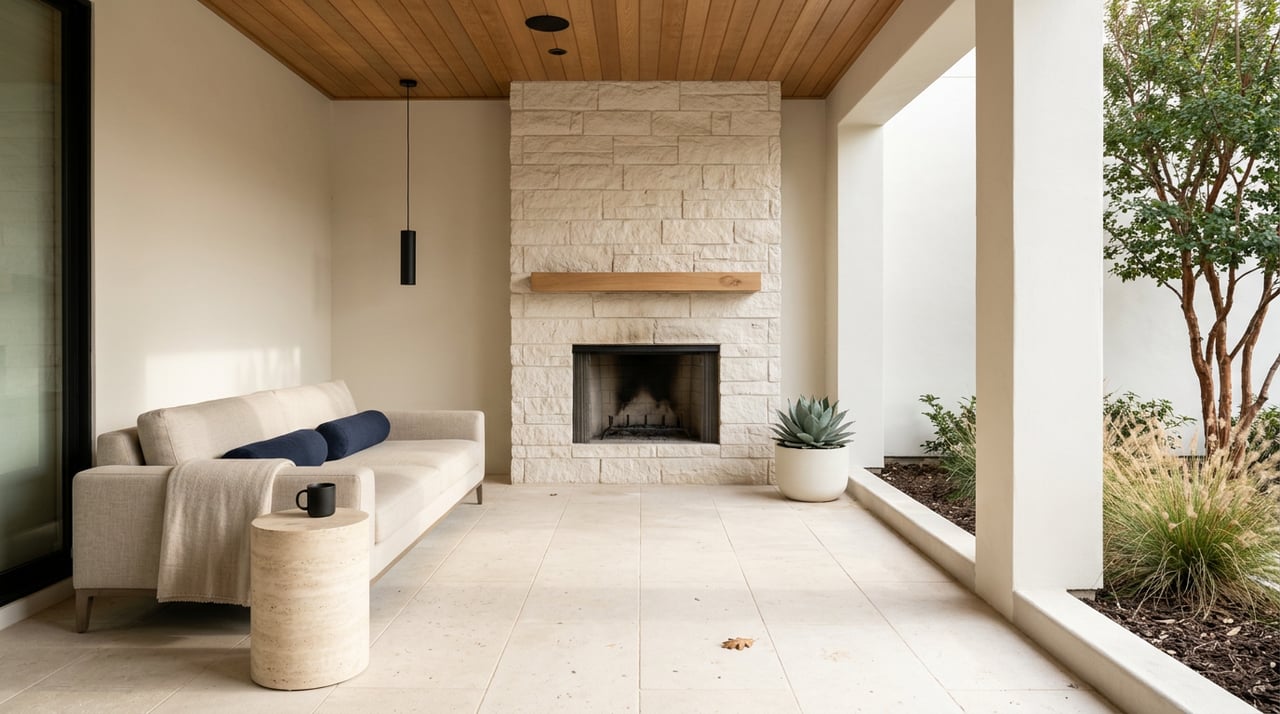
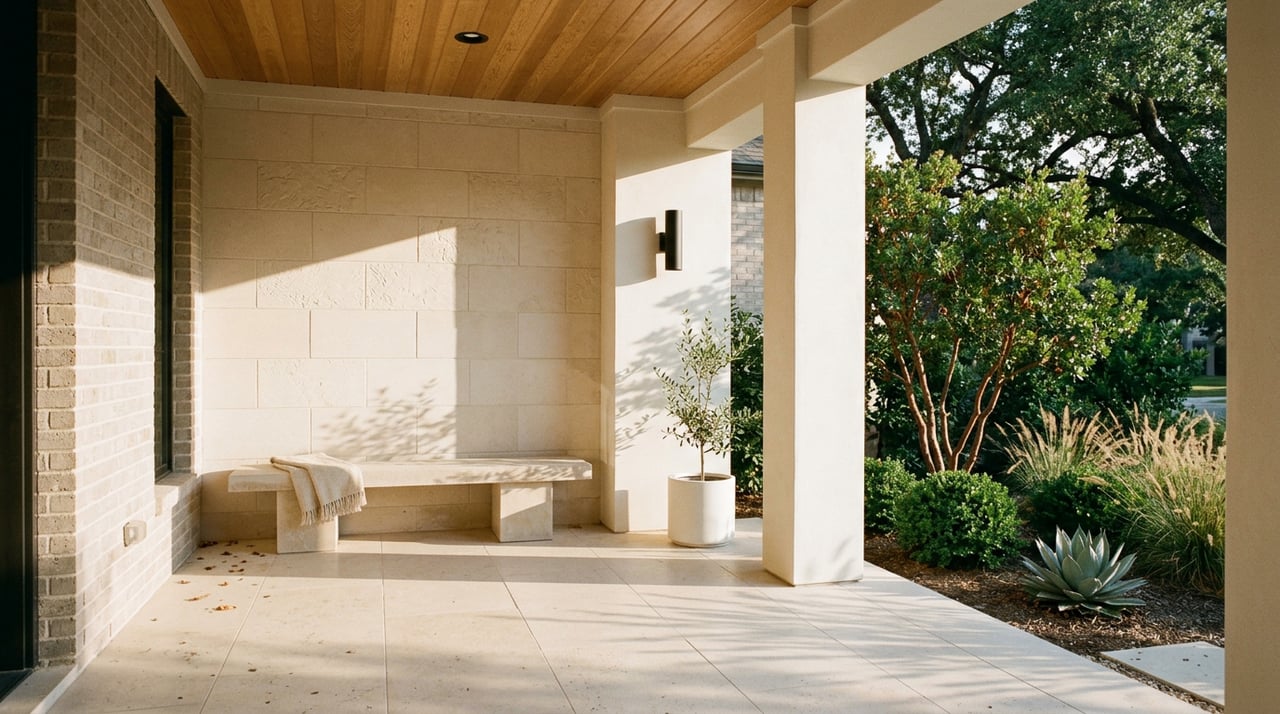
The defining architectural style of Austin's development boom — visible across East Austin, South Congress, Mueller, and nearly every infill lot that has turned over in the last fifteen years — is what locals broadly call "Austin modern." It's a distinctive aesthetic that has become almost synonymous with the city's growth identity.
What Defines the Austin Modern Style
- Flat or shed rooflines with strong geometric massing, often combining stucco, metal panel, and horizontal wood siding in the same facade
- Large pivoting or sliding glass doors that blur the boundary between interior living spaces and covered outdoor areas
- Elevated first floors and rooftop decks that maximize views and natural light on the compact urban lots where most new construction occurs
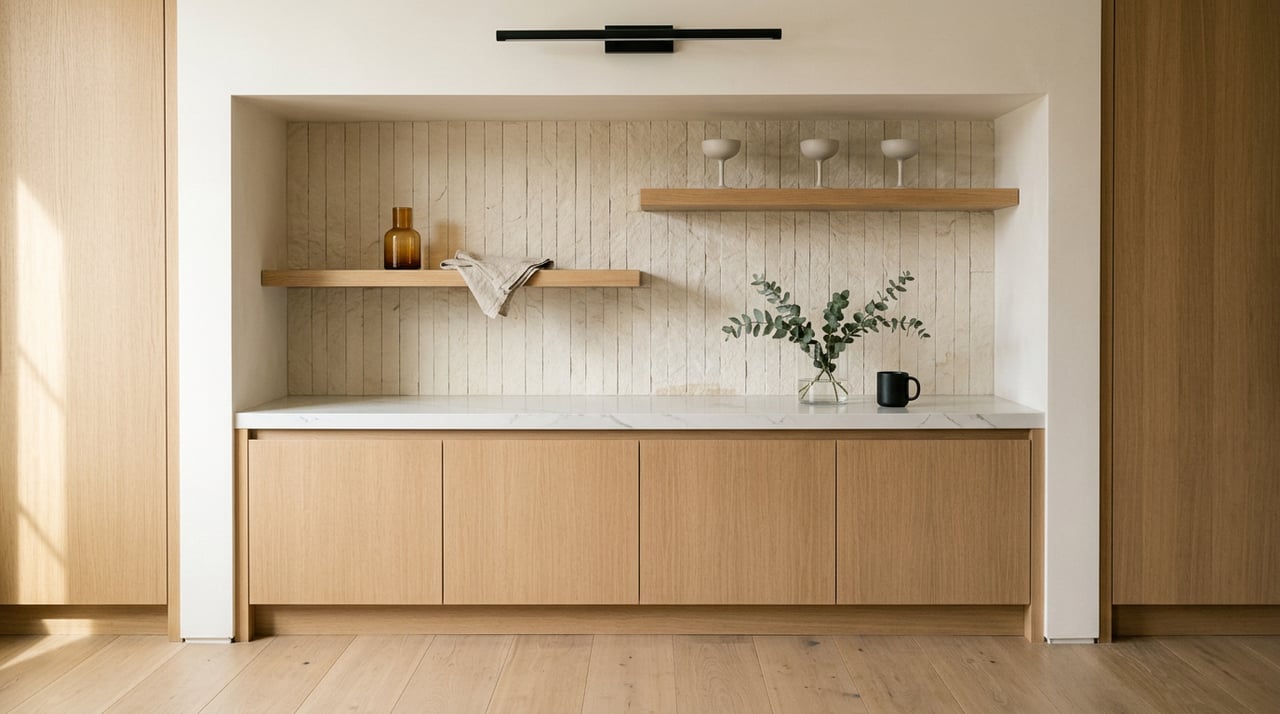
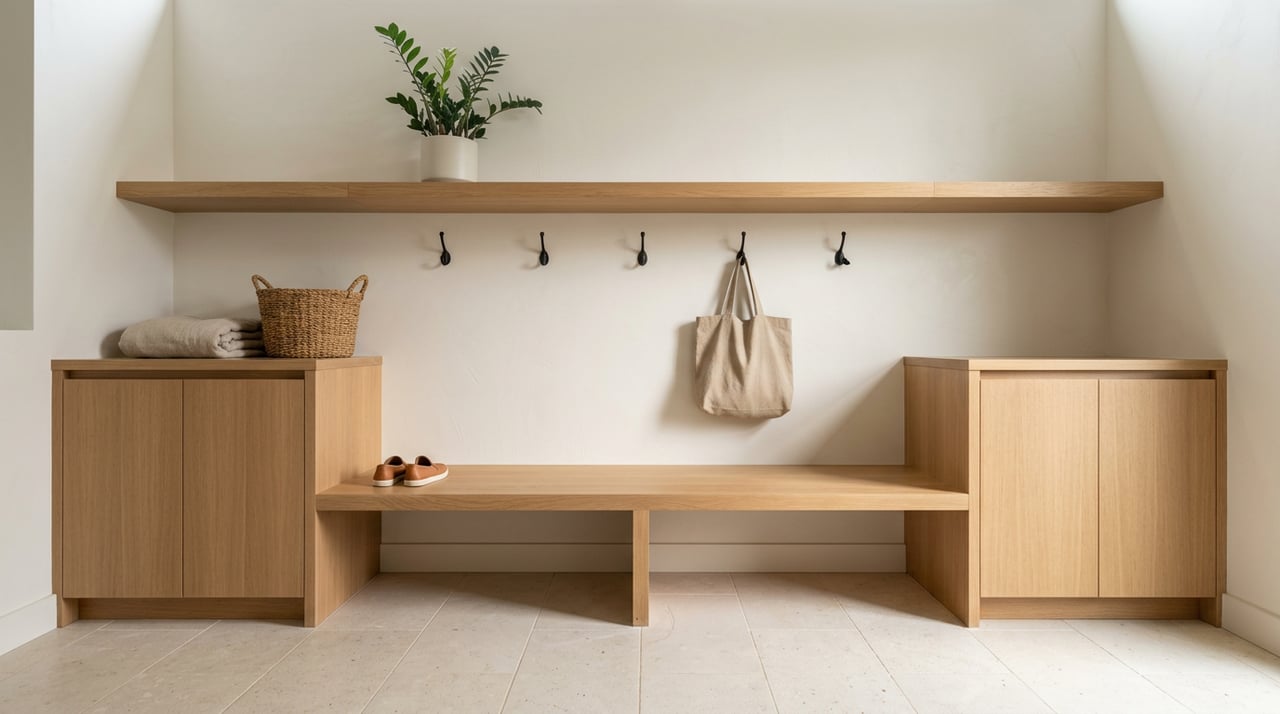
- Interior finishes emphasizing concrete, white oak, and matte black hardware — a palette that photographs well and has become a near-universal standard in Austin's spec construction market
Austin modern homes dominate the new construction market and appeal strongly to buyers relocating from other urban markets who bring expectations about contemporary finishes and open living configurations.
FAQs: Austin Architecture
Which Austin neighborhoods have the most architectural character?
Hyde Park, Clarksville, Allandale, Rosedale, and Old West Austin contain the highest concentrations of historic and mid-century modern homes. East Austin's older streets preserve a mix of vernacular cottages alongside newer infill development.
Are older Austin homes harder to insure or finance?
Homes with older systems — particularly knob-and-tube wiring, cast iron plumbing, or original foundations — can require additional underwriting scrutiny. Working with an agent who understands these considerations helps buyers prepare appropriately.
Is new construction in Austin a better value than buying an older home?
It depends entirely on priorities. New construction offers modern systems, energy efficiency, and warranty coverage. Older homes offer established neighborhoods, mature landscaping, and architectural character that new construction cannot reproduce. Both have strong buyer profiles in Austin's current market.
Austin Is Worth Knowing Deeply
When I moved my family here from California in 2020, one of the first things that struck me about Austin was how much the neighborhood and architectural character vary from street to street. That depth is part of what makes this city so compelling — and understanding it is part of what I bring to every client conversation. Whether you're searching for a mid-century gem in Allandale or a contemporary new build in Mueller, I'm here to help you find exactly where you belong.
Connect with Soomin Kim today.
Connect with Soomin Kim today.