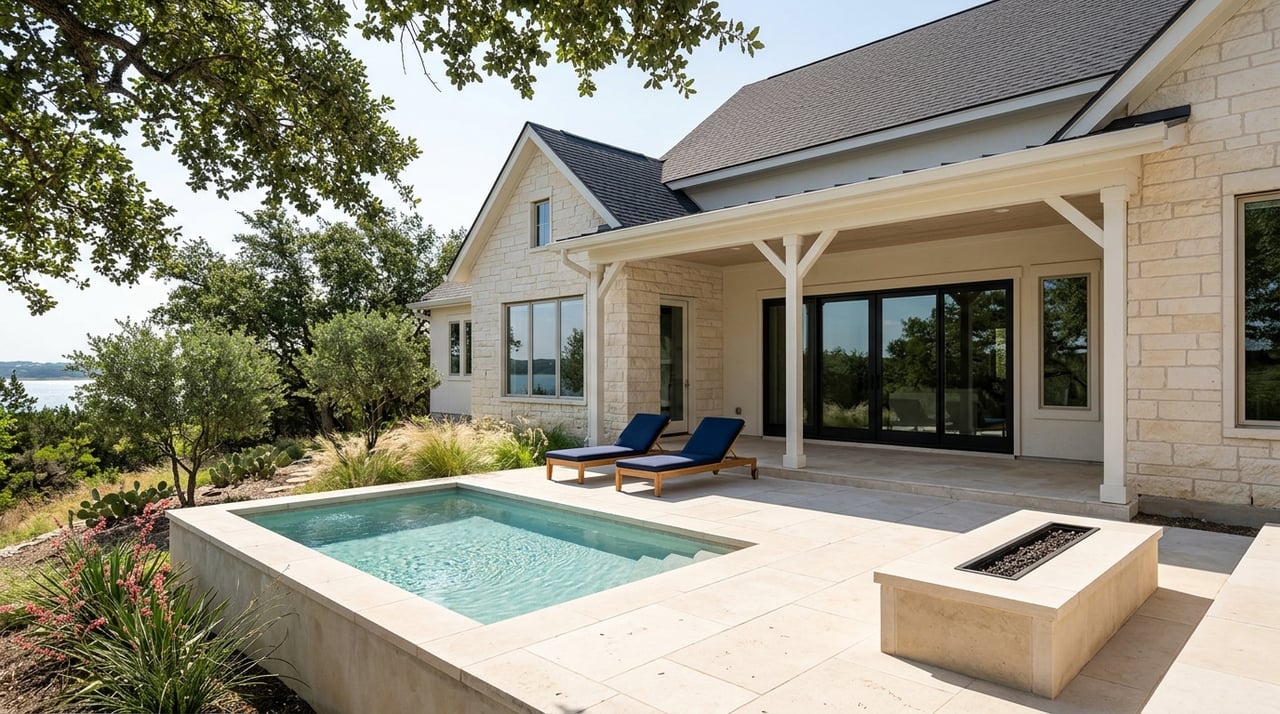
Wondering whether Lago Vista is better for waterfront living or classic Hill Country comfort? It is a fair question, because this Lake Travis community gives you more than one version of the good life. If you are trying to decide where your money, lifestyle, and long-term plans fit best, this guide will help you compare the tradeoffs clearly. Let’s dive in.
Why Lago Vista Feels Different
Lago Vista sits on the north shore of Lake Travis and the city describes itself as a peninsula with rugged Texas Hill Country terrain about an hour from Austin. That setting gives you dramatic views, access to the lake, and a landscape that feels more natural and varied than many suburban neighborhoods.
At the same time, the lake and terrain shape how the city grows, how roads connect, and how homesites function. In Lago Vista, your lot choice does not just affect your view. It can also affect access, maintenance, and your daily routine.
Waterfront Living in Lago Vista
True waterfront homes are the most immersive option if you want your house to feel closely connected to Lake Travis. For many buyers, the main appeal is simple: direct lake access, the possibility of a dock, and the ability to center weekends and evenings around the water.
That lifestyle can be amazing if boating, swimming, or dockside entertaining is a big part of how you want to live. It also tends to be the most hands-on ownership experience of the three options.
What Waterfront Homes Offer
A true waterfront property may give you immediate access to the shoreline and a front-row connection to the lake. That can create a unique ownership experience that is hard to replicate with a view lot or an interior home.
Waterfront lots are also considered highly desirable in Lago Vista’s planning documents. That helps explain why they often attract strong buyer interest when access and property details line up well.
What Buyers Need to Verify
One of the biggest misconceptions is that buying waterfront automatically means you get a dock. It does not. LCRA says lakefront ownership alone does not guarantee dock rights, so you need to verify submerged-land ownership and confirm compliance with dock standards.
You also need to remember that Lake Travis is designed to fluctuate. As of May 31, 2026, LCRA reported the lake at 669.91 feet msl, below its 681-foot full water-supply elevation, which means the shoreline is not a fixed condition you can assume will stay the same year-round.
Waterfront Ownership Comes With More Rule-Checking
Waterfront ownership usually means more due diligence and ongoing attention. LCRA says residential docks must meet safety standards, and certain lakebed work can require notification or permits when the lake is below 676 feet msl.
On top of that, buyers should verify floodplain status and check for any city or POA restrictions tied to the property. Lago Vista’s development-services guidance notes that work in FEMA special flood-hazard areas requires a floodplain development permit, and floodplain construction can come with added standards.
Bluff Homes: Views Without the Dock Burden
If you love the lake but do not necessarily want the full responsibility of shoreline ownership, bluff properties can be a strong middle ground. These homes usually trade direct water access for elevation, broad views, and less waterfront upkeep.
For many buyers, this is where Lago Vista starts to shine. You can still get the scenic feel of lake living while avoiding some of the day-to-day responsibilities that come with managing shoreline conditions or dock-related questions.
Why Bluff Living Appeals to Buyers
Bluff homes often deliver the visual payoff people want most. You may wake up to lake views, enjoy sunsets from a patio, and still feel tied to the natural setting that makes Lago Vista stand out.
This option can be especially appealing if your ideal lifestyle is more about scenery and atmosphere than direct boating access. In that sense, bluff living often feels like lake living with fewer moving parts.
The Tradeoff Is the Terrain
The city’s comprehensive plan makes it clear that topography strongly affects development in Lago Vista. Steep slopes over 25 percent need special City Council approval, and some areas can be harder or more expensive to serve because of infrastructure and access constraints.
In practical terms, that means you should pay close attention to slope, driveway design, grading, and how the lot is positioned. Bluff homes may be easier than waterfront homes on shoreline maintenance, but they are not always simpler when it comes to construction or site-related costs.
Interior Hill Country Neighborhoods
Interior neighborhoods offer a different version of Lago Vista living. Instead of putting the lake at the edge of your lot, they usually give you a more conventional residential setup with less direct water exposure and generally lower shoreline-related maintenance.
That does not mean you lose the lake lifestyle completely. In many cases, interior living can still feel connected to Lake Travis, just in a more flexible and lower-maintenance way.
What Interior Living Feels Like
Interior homes often appeal to buyers who want a quieter day-to-day environment away from shoreline activity. They can also offer a more familiar neighborhood feel for buyers who want the Hill Country setting without the added complexity of waterfront ownership.
Lago Vista’s road network is almost fully developed, but the city says topography contributes to curving roads, limited connectivity, and some pedestrian and roadway challenges. For you, that can translate into a more car-dependent lifestyle, but often a calmer residential rhythm.
Amenity Access Is Not Automatic
One important detail in Lago Vista is that not all homes have the same amenity access. The LVPOA says its private amenity system spans about 350 acres and includes lakefront parks, boat ramps, a marina, campground, pool, disc golf, tennis and pickleball, basketball, and hiking trails.
But the POA also says membership is limited to owners within its charter boundaries, and owning property in the City of Lago Vista does not automatically make you a member. If amenities matter to you, you need to confirm whether the specific address qualifies.
How to Choose the Right Fit
The best choice usually comes down to how you want to spend your time and what level of complexity you are comfortable owning. A beautiful home in the wrong setting can feel frustrating fast, while a home that matches your routine can feel right for years.
Here is a simple way to think about it.
Choose Waterfront If You Want Direct Access
Waterfront may be the right fit if you want to be close to the water every day and are comfortable doing more due diligence. This option often works best for buyers who see the lake as an active part of their lifestyle, not just a backdrop.
Before buying, verify dock rights, submerged-land ownership, floodplain status, and any property-specific restrictions. Those details matter just as much as the view.
Choose Bluff If You Want Scenery First
Bluff living may fit you best if your priority is elevation, views, and a strong sense of place. It can deliver a premium lake-country experience without requiring you to take on the full responsibility of shoreline ownership.
Still, do not skip lot analysis. Slope, access, and site conditions can shape both ownership costs and future plans.
Choose Interior If You Want Simplicity
Interior neighborhoods are often the easiest match for buyers who want a more traditional residential setup with optional recreational access. If you like the idea of Lago Vista but do not need your lot to touch the water or sit on a bluff, this path can offer a practical balance.
Just be sure to verify whether the property includes LVPOA access if those parks, ramps, trails, or recreational features are part of your decision.
Resale and Long-Term Appeal
From a resale perspective, each property type tends to attract a different buyer mindset. Lago Vista’s planning documents describe lakefront lots as highly desirable, which helps explain why true waterfront homes are often the most lifestyle-driven and scarce.
Bluff homes can hold strong appeal when the view is a key feature, especially if that view is well protected by the lot’s positioning. Interior homes often speak to the broadest buyer pool because they usually combine easier ownership with access to the wider Lago Vista setting.
That does not make one category universally better than another. It means the best long-term choice is the one that matches both your lifestyle now and the kind of buyer likely to value that same setup later.
If you are comparing Lago Vista homes and want help sorting through waterfront rules, bluff-lot tradeoffs, or amenity questions, Soomin Kim can help you narrow down the right fit with clear, local guidance.
FAQs
Does a Lago Vista waterfront home automatically come with a dock?
- No. LCRA says lakefront ownership alone does not automatically guarantee dock rights, so buyers need to verify the property details.
Do Lake Travis water levels stay the same throughout the year?
- No. LCRA says Lake Travis is designed to fluctuate, so water levels and shoreline conditions can change.
Are all Lago Vista homes part of the same amenity system?
- No. LVPOA access depends on whether the property falls within its charter boundaries, so amenity access should be confirmed by address.
Are bluff homes in Lago Vista easier to own than waterfront homes?
- Usually, yes for shoreline maintenance, but bluff lots can still involve slope, grading, access, or construction challenges.
What should you verify before buying a waterfront home in Lago Vista?
- Buyers should confirm dock rights, submerged-land ownership, floodplain status, and any city or POA restrictions tied to the property.